
The difficulty screen appears.
Easy. Normal. Hard. Some ridiculous fourth option named after pain, steel, or a word the studio thought sounded tough in a meeting.
You hover.
Difficulty settings in games pretend to be practical, but most of the time they are a tiny trial about ego, time, and whether you want to enjoy Tuesday night.
Normal is not a moral rank
Players get weird about this.
Say you lowered the mode after work and somebody online starts acting like you confessed to watering down soup. Relax. It is a menu, not a court hearing.
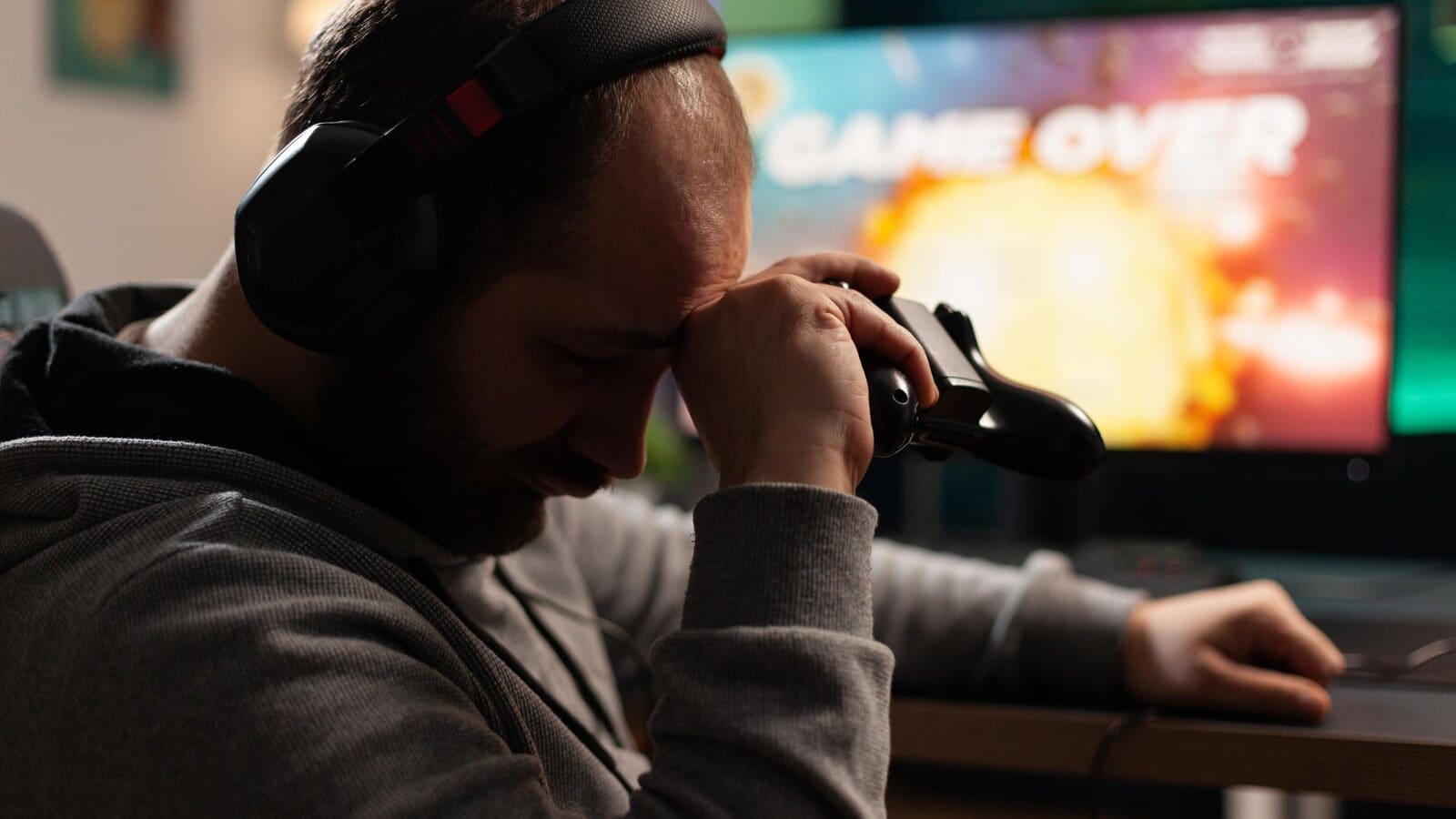
I watched a friend restart a boss fight eleven times in a row after a long office day because “the build should work.” The build was fine. His patience was dead by attempt four.
So he dropped the setting, won, and immediately became fun to talk to again.
Hard mode can hide bad tuning
Sometimes hard is smart.
Enemies flank better. Resources matter. You learn systems instead of sleepwalking through them.
But sometimes hard just means thicker health bars, stingier checkpoints, and a camera that seems to hate your family.
And that is where the old “git good” chant gets lazy. Good challenge teaches. Bad challenge wastes your snacks.
XP Haven has already argued that backlog guilt turns games into homework. The same thing happens inside one game when a hobby starts acting like unpaid labor.
Accessibility is not cheating
Say it plainly.
Subtitles, aim help, slower reaction windows, color options, and gentler enemy damage let more people play. That is good. Full stop.
But even for players without those needs, the setting still matters. A parent with forty clean minutes after dinner may need a different game than a streamer with six hours and a chat egging them on.
Pick the night you actually have
That is the trick.
If you want friction, take it. If you want story, take that. If you want to learn a combat system properly, bump it up and keep notes like a nerd with excellent taste.
So choose the setting that fits the evening, not the one that makes your imaginary audience clap.