
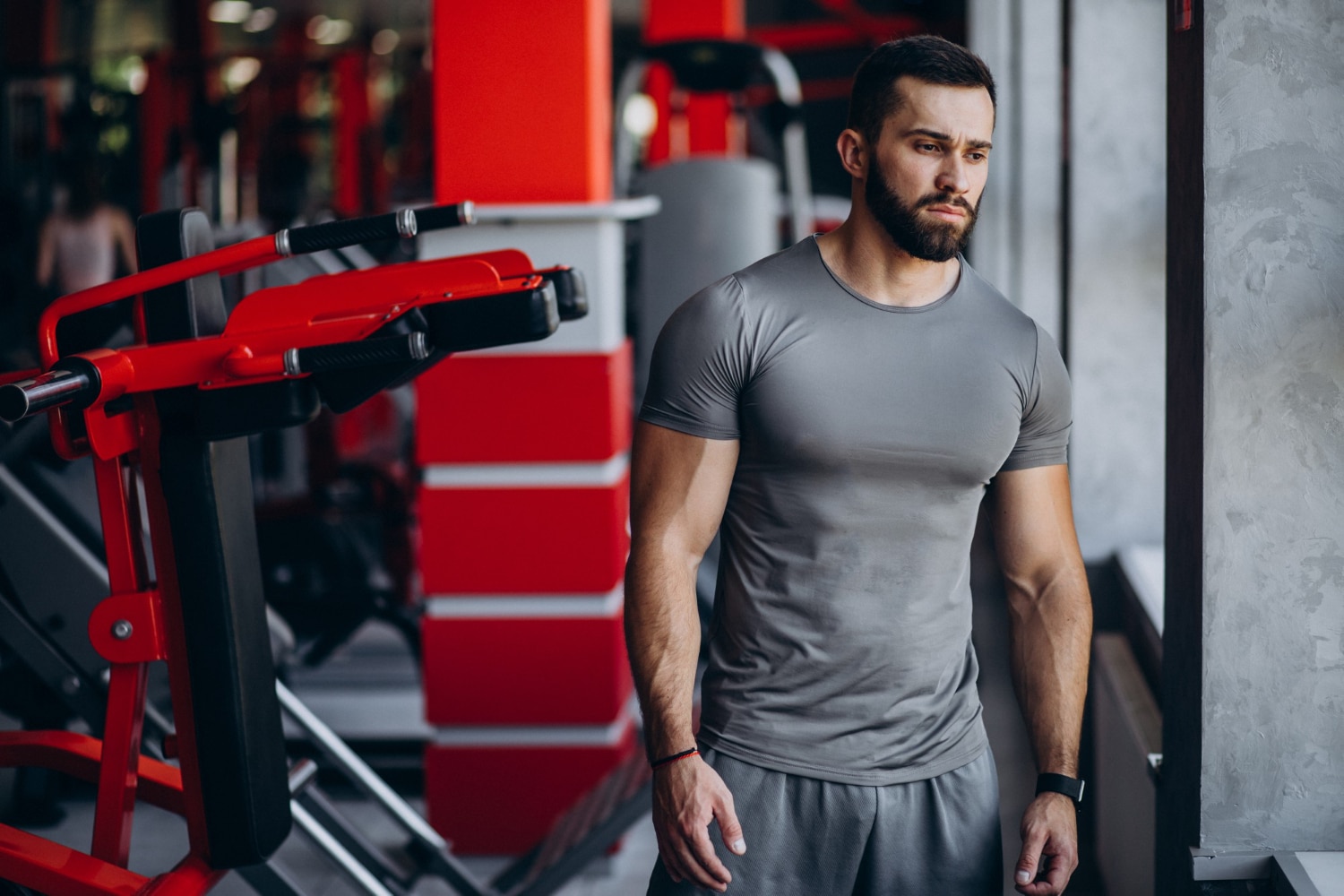
You’re standing in the locker room, looking at yourself in the mirror, and suddenly the question hits: Am I dressed appropriately for the gym? It’s not as simple as throwing on whatever’s lying around, and it’s definitely not about impressing anyone with designer logos. What you wear to the gym directly impacts your performance, comfort, and confidence during your workout. In this complete article we will see what Men Wear to the Gym.
I’ve spent years coaching people in fitness environments, and I can tell you with certainty that the right gym attire can be the difference between a mediocre workout and an exceptional one. It’s not vanity—it’s function. The right clothes give you the freedom to move, keep you cool when you’re pushing hard, and help you maintain proper form without restriction.
Let me walk you through exactly what men should wear to the gym, covering everything from the foundational pieces to the subtle details that make all the difference.
The Foundation: Choosing the Right T-Shirt or Top Men Wear to the Gym
Your top is the starting point. This is what covers your upper body and plays a huge role in how you feel during your workout. The key factors are fit, material, and functionality.
A good gym t-shirt or tank top should be made from breathable fabric. Cotton might feel comfortable initially, but it absorbs sweat and clings to your body like a wet blanket. Instead, look for moisture-wicking synthetic fabrics like polyester or blends that include spandex. These materials pull sweat away from your skin and allow it to evaporate quickly, keeping you dry and comfortable.
Fit is equally important. Your top shouldn’t be so tight that it restricts your movement or cuts off circulation, but it shouldn’t be oversized either. You want something that sits snugly on your frame, allowing you to see your shoulders and chest definition as you move. This helps you maintain awareness of your body position and form during exercises.
For most men, a basic athletic t-shirt in neutral colors like black, grey, or white is the safest bet. If you prefer more ventilation, many quality gym tank tops offer superior breathability and give your shoulders and arms complete freedom of movement. Some men prefer long-sleeve options for temperature control, especially in winter months or air-conditioned gyms.
Bottoms: The Importance of Proper Gym Pants or Shorts
Your lower body clothing is just as critical as your top. This is where comfort becomes non-negotiable because restrictions in your lower body directly affect your ability to perform leg exercises, squat properly, and maintain balance during lifts.
Gym shorts are the go-to choice for most men, especially during warmer months. Look for shorts that hit around mid-thigh—not too short that you feel exposed or restricted, but short enough to give your legs freedom. The inseam should be around 7-9 inches for most men. They should have a stretchy, breathable fabric that moves with your body. Internal compression shorts are a bonus feature, as they provide support and prevent chafing during intense cardio workouts.
For cooler weather or those who prefer full-leg coverage, athletic joggers or tight-fitting athletic pants are excellent alternatives. The key word here is “athletic”—regular sweatpants or denim jeans trap heat and restrict movement. Athletic pants are specifically designed for workouts with tapered fits that don’t get caught under your feet and fabric that breathes while keeping you warm.
Here’s something many people overlook: pockets. Functional pockets in gym shorts are incredibly useful for holding your phone, locker key, or headphone buds. However, make sure pockets don’t add unnecessary bulk or weight that throws off your balance during exercises.
Color-wise, dark colors like black, navy, or grey hide sweat stains better than light colors. This is purely practical—you want to focus on your workout, not worrying about how you look.
Footwear: Choosing the Right Gym Shoes
Your feet are your foundation. The right gym shoes provide support, stability, and protection from injuries. This is not the place to skimp or recycle old running shoes you’ve worn for a decade.
Ideal gym shoes should offer proper arch support and cushioning. Unlike running shoes, which are designed with forward momentum in mind, gym shoes should have a stable, flat base that keeps you grounded during strength training. When you’re lifting heavy weight, you need to feel connected to the floor. Cross-training shoes are usually the best option because they handle a variety of movements—from lifting to cardio to stretching.
Look for shoes with good lateral support. When you’re doing side-to-side movements, lunges, or lateral exercises, you need shoes that prevent your foot from rolling inward or outward. The sole should be flexible enough to allow natural movement but firm enough to provide stability.
Material matters too. Most quality gym shoes are made with mesh or synthetic uppers that breathe well. Avoid canvas sneakers or fabric shoes that absorb sweat and moisture, leading to unpleasant odors and fungal issues. You want shoes that dry quickly and won’t harbor bacteria.
One practical tip: keep your gym shoes exclusively for the gym. Don’t wear them for casual activities. This extends their lifespan and keeps gym floors cleaner. Plus, having dedicated gym shoes reinforces the mental shift into workout mode when you put them on.
A good pair of gym shoes typically costs between $80-$150 and will last you 6-12 months with regular use, depending on intensity.

Additional Accessories That Make a Difference
Beyond the basics, there are several accessories that can enhance your gym experience and improve your performance:
Socks: Don’t underestimate quality workout socks. They should be made from moisture-wicking materials, not cotton. Look for socks with extra cushioning in the heel and arch to reduce impact during cardio. They should also have moisture-wicking properties to keep your feet dry.
Undergarments: This is crucial but often overlooked. Quality athletic underwear designed for workouts makes a huge difference. Look for moisture-wicking boxer briefs that provide support without restriction. Cotton underwear absorbs sweat and leads to chafing, especially during intense leg workouts.
Sweatshirt or Hoodie: For colder months or gyms with aggressive air conditioning, a lightweight, breathable hoodie or sweatshirt is useful for warming up. Choose something you can easily peel off once you’re warmed up. Most men keep it in their gym bag for these situations.
Headband or Hat: Some men wear these to keep sweat out of their eyes and off their face. They also provide a psychological boost for many people, creating that mental transition into workout mode.
Gym Bag: This isn’t clothing, but it’s worth mentioning. A quality gym bag keeps your clothes organized and contained, preventing sweat-soaked garments from contaminating your car or home. Look for bags with ventilation to prevent mildew.
Wrist Wraps or Lifting Gloves: These are optional and depend on your training style. If you’re doing heavy lifting, they provide wrist support and better grip. They’re not necessary for everyone, but many lifters find them beneficial.
Building Your Perfect Gym Outfit: Combinations by Workout Type
Different types of workouts call for slightly different clothing strategies. Here’s how to adapt:
For Heavy Strength Training
If your focus is lifting heavy weights, you want a fitted tank top or t-shirt that shows your form. Shorts or fitted athletic pants work well. Keep your shoes stable and minimal, and consider wrist wraps if you’re handling significant loads. The goal is clarity of movement and stability.
For Cardio and HIIT Workouts
When doing cardio, you’ll sweat significantly more, so prioritize maximum breathability. Lightweight, loose-fitting athletic shirts work better than tight ones because they allow air circulation. Shorts with good moisture-wicking are essential. Make sure your socks are cushioned well, and your shoes have proper impact absorption.
For Mixed Functional Training
This style demands versatility. Wear fitted shorts with internal compression and a breathable t-shirt or tank. You need clothing that works for both lifting and dynamic movements. Cross-training shoes are your friend here since you’ll be doing multiple types of exercises.
For Swimming and Water-based Training
Obviously, you’ll need swim trunks designed for athletic use. They should fit snugly without being restrictive and dry quickly. After swimming, bring a change of dry clothes to prevent sitting in wet fabric.
The key principle across all workout types is this: your clothing should never be the limiting factor in your performance. If you’re constantly adjusting your shirt, pulling up your shorts, or feeling restricted, you’ve made the wrong choice.

Common Gym Clothing Mistakes to Avoid
I’ve seen plenty of men make preventable clothing mistakes at the gym. Here are the ones I encounter most frequently:
Wearing Cotton Instead of Synthetic Materials: This is the #1 mistake. Cotton absorbs sweat and stays wet, making you uncomfortable and limiting your performance. Always choose moisture-wicking synthetics.
Oversized or Baggy Clothing: While comfort matters, oversized clothing gets in the way during exercises, restricts your range of motion, and makes it harder to see your form. Find the balance between comfortable and fitted.
Ignoring Underwear Quality: Many men overlook this, then wonder why they experience chafing and discomfort. Invest in quality athletic underwear. You’ll thank yourself.
Wearing Non-Gym Shoes: Using old basketball shoes or running shoes not designed for gym work compromises stability and increases injury risk. Invest in proper cross-training shoes.
Forgetting to Change Out of Sweaty Clothes: Sitting in damp clothes after your workout promotes fungal infections and creates an unpleasant environment for your skin. Always change into dry clothes afterward.
Going Too Trendy or Fashionable: Your gym clothes don’t need to be trendy. Function trumps fashion. Focus on how the clothes perform, not how they look.
Choosing Style Over Support: Some men sacrifice support for style. This is especially true with shoes. Never compromise support for aesthetics in your gym footwear.
Budget-Friendly Guide: Building a Quality Gym Wardrobe
You don’t need to spend a fortune to dress properly for the gym. Here’s a realistic breakdown of what you should budget:
Essential Starting Setup (Budget: $150-250)
- Two quality athletic t-shirts or tank tops: $30-60
- Two pairs of athletic shorts: $40-80
- One pair of cross-training shoes: $80-150
- Quality athletic socks (3-4 pairs): $20-30
That’s your foundation. You can start with this and add to your collection over time.
Additional Pieces to Add Later (Budget: $150-300)
- Athletic joggers or full-length pants for cooler months: $40-80
- Quality athletic underwear (3-4 pairs): $30-60
- Lightweight hoodie or sweatshirt: $30-50
- Additional t-shirts and shorts: $50-100
Pro Shopping Tips:
Don’t buy all at once. Start with basics and add as you determine what works for your training style. Mid-range brands like Nike, Adidas, Under Armour, and Lululemon offer excellent quality. You don’t need designer brands; focus on function. Look for sales at sporting goods stores—athletic clothing regularly goes on sale. A basic black t-shirt from a good athletic brand will outlast trendy pieces and perform better.
Frequently Asked Questions
Can I wear regular cotton t-shirts to the gym?
You technically can, but it’s not ideal. Cotton absorbs sweat and holds moisture, making you uncomfortable and cold during rest periods. Moisture-wicking synthetic materials perform significantly better. If budget is a concern, start saving for quality athletic wear—it’s worth it.
How often should I wash my gym clothes?
After every workout. Sweat and moisture create an environment where bacteria and fungi thrive. Washing your gym clothes immediately prevents odor buildup, extends their lifespan, and maintains hygiene. Use a gentle detergent and avoid fabric softeners, which can reduce moisture-wicking properties.
Are expensive gym clothes really better?
Not necessarily. Mid-range brands like Nike and Adidas perform as well as luxury brands at a fraction of the cost. Focus on the material composition and fit, not the brand name or price tag.
Can I wear basketball shoes to the gym?
Basketball shoes are designed for the quick lateral movements of basketball. While they provide support, they’re not optimal for a variety of gym activities. Cross-training shoes are specifically designed to handle the different movements in the gym and are the better choice.
What’s the ideal fit for gym shorts?
Shorts should hit around mid-thigh with an inseam of 7-9 inches. They should be snug enough to stay in place but loose enough to allow full range of motion. You should be able to raise your arms and squat deeply without the shorts restricting movement.
Do I need compression clothing?
Compression gear is optional. Some athletes find it provides support and improves blood flow, potentially reducing muscle soreness. However, it’s not necessary for effective workouts. If you’re interested, try it to see if it makes a difference in your performance and comfort.
The Bottom Line: Invest in Yourself
What men wear to the gym matters more than most people realize. It’s not about impressing anyone or following fitness trends. It’s about creating an environment where your body can perform at its best and your mind can focus entirely on the workout.
When you wear proper men gym clothes, you’re not just getting dressed—you’re setting yourself up for success. You’re eliminating distractions, reducing your risk of injury, and maximizing your comfort during the most important part of your day: your commitment to your health.
Start with the fundamentals. Get a quality moisture-wicking t-shirt, athletic shorts that fit properly, cross-training shoes that provide stability, and socks designed for athletic activity. Don’t overthink it. These basics will carry you through countless workouts.
As you continue your fitness journey, you’ll naturally figure out what works best for your body and your training style. Maybe you’ll prefer tank tops over t-shirts. Perhaps you’ll discover that joggers work better for you than shorts. You might find that a certain brand fits your frame better than others. That’s the beauty of starting with quality fundamentals—you have a solid foundation from which to experiment.
Remember, the best gym clothes are the ones that allow you to forget about your clothes entirely and focus on the workout. When your mind is fully engaged with your training and not adjusting your shirt or dealing with discomfort, that’s when you know you’ve made the right choices.
Your gym wardrobe is an investment in yourself. Make it count.