
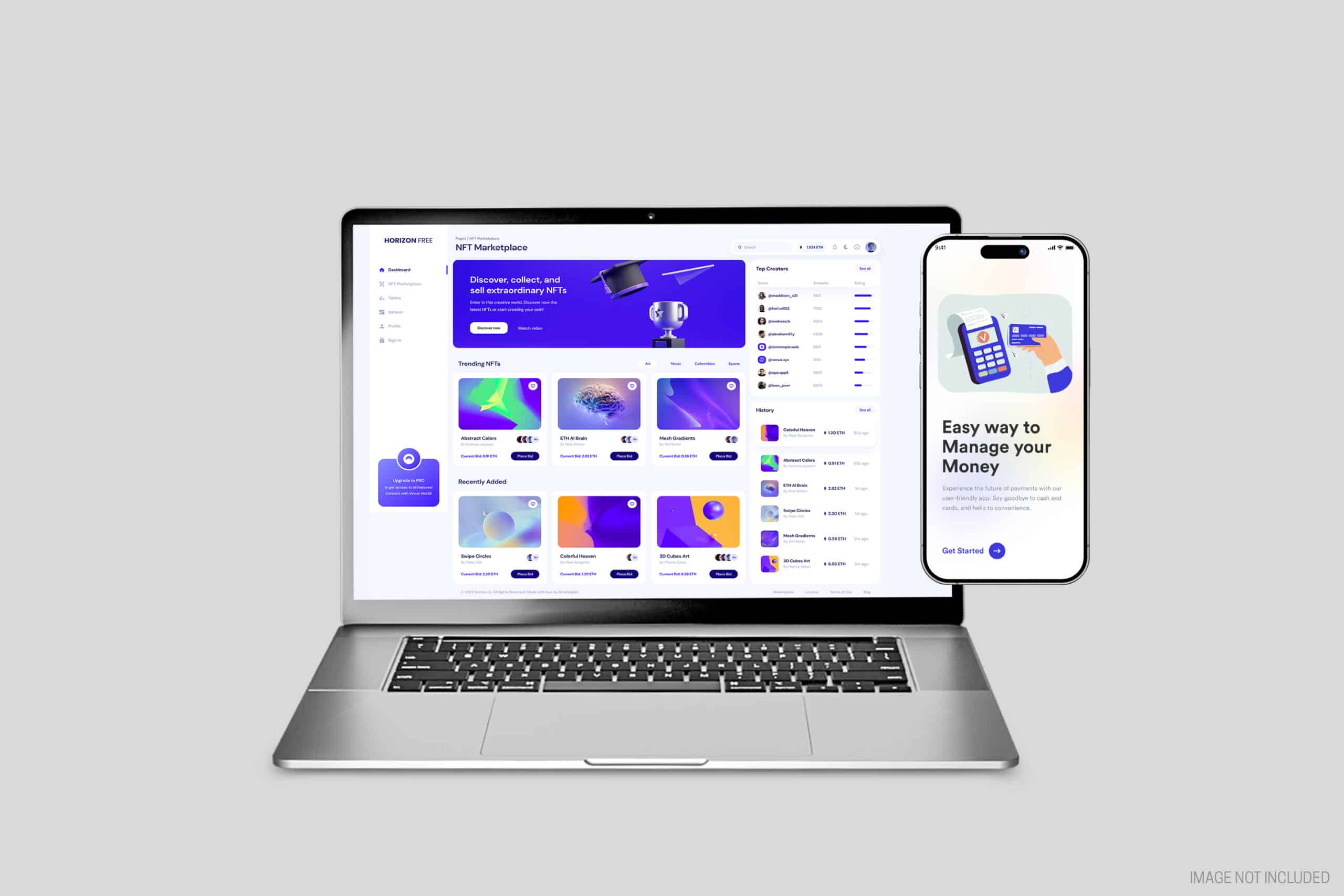
Understanding the importance of having a website in 2026 has never been more critical for business success.In today’s hyper-connected world, asking whether your business needs a website in 2026 is almost like asking if you need a phone number. The answer is a resounding yes, and the reasons are more compelling than ever before. Your website isn’t just a digital brochure anymore—it’s your most powerful business asset, your customer service representative, and your competitive advantage rolled into one.
With over 5.3 billion internet users worldwide and 80% of consumer purchases influenced by online research, not having a website means you’re essentially invisible to a massive portion of your market. This comprehensive guide explores why having a website in 2026 is non-negotiable for any business, regardless of size or industry.
Table of Contents
The Evolution of Website Importance in 2026
The digital landscape has transformed dramatically over the past decade. Websites have evolved from static informational pages to dynamic, interactive platforms that drive business growth. In 2026, the importance of a website has reached unprecedented levels.
Here’s what makes websites even more critical today:
- Search engines prioritize businesses with websites in local and global search results
- Mobile-first indexing means customers find you through their smartphones
- AI-powered personalization enables websites to deliver customized experiences
- Voice search optimization requires a web presence to capture voice queries
- Social media algorithms favor businesses that direct traffic to their own websites

Building Credibility and Trust With Your Audience
One of the most powerful reasons to have a website in 2026 is the credibility it establishes. A professional website acts as a virtual storefront that operates 24/7, building trust with your audience even while you sleep.
Why Websites Build Trust
Research shows that 75% of consumers judge a company’s credibility based on their website design and user experience. Your website serves multiple trust-building functions:
- Displays customer testimonials and case studies
- Shows your team, credentials, and company background
- Provides clear contact information and response channels
- Demonstrates your expertise through valuable content
- Offers secure payment options and privacy policies
- Maintains consistent branding across all touchpoints
Search Engine Visibility: Your Digital Goldmine
If your business isn’t on Google, does it even exist? This question might sound dramatic, but it reflects the reality of modern consumer behavior. Search engines have become the gateway to customer acquisition, and websites are essential for capturing this traffic.
The SEO Advantage
According to BrightEdge research, organic search drives 53% of website traffic, making it the most significant traffic source for most businesses. Here’s why websites are crucial for SEO:
- Optimized website content ranks in search results for relevant keywords
- Google My Business integration connects your website to local search
- Technical SEO improvements increase crawlability and indexation
- Internal linking strategy helps distribute authority across pages
- Content optimization attracts qualified leads actively searching for solutions
- Backlink opportunities increase through valuable web content
24/7 Customer Engagement and Sales Opportunities
Unlike a physical store with fixed operating hours, your website works around the clock. This constant availability opens tremendous opportunities for customer engagement and revenue generation.
The Always-On Business Model
Consumers today expect to research, compare, and purchase products or services at any time of day. A website enables you to:
- Accept customer inquiries and orders outside business hours
- Provide instant product information and pricing details
- Enable customers to schedule appointments or consultations
- Process payments automatically through secure payment gateways
- Deliver personalized recommendations based on browsing behavior
- Support multiple time zones and international customers
According to Statista, 72% of consumers prefer to conduct business with brands through their website rather than other channels. This shift in consumer preference makes having a high-quality website non-negotiable for capturing sales opportunities.

Competitive Advantage in Your Industry
Your competitors are already online. If you’re not, you’re losing market share to businesses that are. Having a website in 2026 isn’t just about being present; it’s about outperforming your competition in the digital space.
Staying Ahead of the Competition
A well-designed website with strong SEO, user experience, and content strategy can help you:
- Capture customers searching for solutions your competitors offer
- Differentiate your brand through unique value propositions
- Build a loyal community through engagement and excellent service
- Establish thought leadership through educational content
- Respond faster to market changes than competitors
- Leverage emerging technologies like AI chatbots and personalization
Businesses that embrace digital transformation see revenue growth that significantly outpaces those that don’t. A website is often the foundation of this digital transformation.
Harnessing Data and Analytics for Business Growth
Modern websites equipped with analytics tools provide invaluable insights into customer behavior, preferences, and purchasing patterns. This data is essential for making informed business decisions.
Making Data-Driven Decisions
With tools like Google Analytics, heat mapping, and conversion tracking, you can:
- Understand which products or services resonate most with customers
- Identify bottlenecks in the customer journey
- Measure the ROI of marketing campaigns
- Optimize pages based on user behavior patterns
- Predict customer needs and personalize experiences
- Make strategic business decisions backed by real data
According to Deloitte, data-driven companies are 23 times more likely to acquire customers. Your website is the primary data collection point for understanding your market and customers.
Mobile Accessibility: Meeting Customers Where They Are
With over 60% of web traffic coming from mobile devices in 2026, having a mobile-friendly website is essential. A responsive design ensures your website works flawlessly across all devices.
The Mobile-First Imperative
Mobile optimization affects:
- Search engine rankings through Core Web Vitals
- User experience and bounce rates
- Conversion rates for sales and leads
- Customer satisfaction and brand perception
- Local search visibility for “near me” queries
- App-like experiences through progressive web apps
Google has shifted to mobile-first indexing, meaning the mobile version of your website is evaluated first for rankings. If your website isn’t optimized for mobile, you’re losing both search visibility and potential customers who browse on their phones.

Social Media Integration and Multi-Channel Marketing
Your website serves as the hub for all your digital marketing efforts. Integrating social media with your website amplifies your reach and creates a cohesive brand experience.
Creating a Unified Digital Presence
A well-integrated website and social media strategy allows you to:
- Drive social media followers to your website for conversions
- Share website content across social platforms automatically
- Build email lists through website signup forms
- Track customer journeys across multiple channels
- Create remarketing campaigns for website visitors
- Establish consistent messaging across all platforms
Social media platforms continuously change their algorithms and policies, making them unreliable as your sole online presence. Your website, however, remains under your complete control.
Frequently Asked Questions About the Importance of Having a Website in 2026
Do Small Businesses Really Need a Website in 2026?
Yes, absolutely. Even small businesses with limited budgets benefit tremendously from having a website. A simple, well-designed website can help you compete with larger businesses by providing 24/7 access to product information, customer testimonials, and easy contact channels. According to research, 46% of small businesses don’t have a website, putting them at a significant disadvantage.
Can a Social Media Page Replace a Website?
While social media is important, it cannot replace a website. Social platforms don’t allow you to optimize for SEO, control your branding completely, or build an email list effectively. Your website is your owned media, while social platforms are rented spaces that could disappear or change overnight.
How Much Does a Website Cost in 2026?
Website costs vary widely. You can create a basic website for $100-$500 using DIY platforms like WordPress or Wix, or invest $5,000-$50,000+ for a custom-built professional website. The key is choosing a solution that fits your business needs and budget.
What Makes a Website Successful?
A successful website combines several elements: fast loading times, mobile responsiveness, clear navigation, compelling content, strong calls-to-action, proper SEO optimization, and regular updates. User experience should be the top priority.
How Often Should I Update My Website?
You should update your website regularly with fresh content, at least monthly. Regular updates improve SEO rankings, keep visitors engaged, and demonstrate that your business is active and current.
Why Understanding the Importance of Having a Website in 2026 Matters
The question is no longer whether your business needs a website in 2026. The question is: can your business afford not to have one? In an increasingly digital world, your website is your most valuable business asset.
A professional, well-designed website serves as:
- Your digital storefront open 24/7/365
- Your primary source of organic traffic and qualified leads
- Your credibility builder and trust establisher
- Your data collection point for customer insights
- Your competitive advantage over non-digital businesses
- Your customer engagement and sales hub
Whether you’re a solopreneur, startup, small business, or established enterprise, investing in a quality website yields significant returns. The businesses thriving in 2026 are those that embraced digital transformation, and it all starts with a strong web presence.
The time to act is now. Start with a simple, well-designed website today, and continuously optimize it based on data and user feedback. Your future customers are searching for solutions online. Make sure your website is there to greet them, serve them, and convert them into loyal brand advocates.
Don’t let your competitors get ahead. Build or upgrade your website in 2026 and unlock the full potential of your business in the digital economy.