
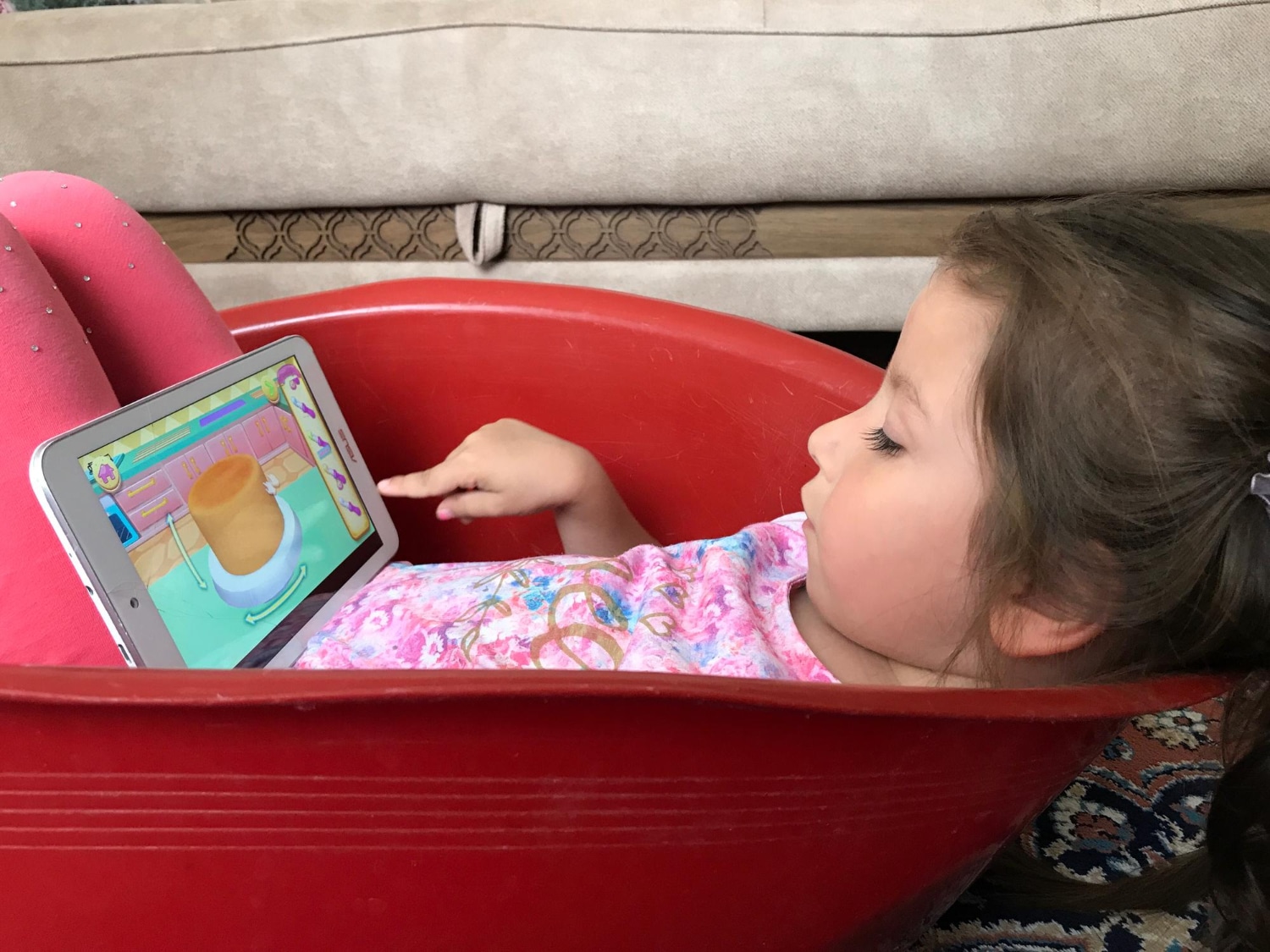
Bath time can be more than just soap, water, and a race to get kids clean. Bath games for kids transform this daily routine into a playful, educational experience where children learn essential hygiene habits, build confidence, and practice crucial developmental skills—all while having fun. Whether you’re a parent struggling with bath time resistance or an educator looking for engaging learning tools, understanding the power of bath games can revolutionize how children approach personal care and self-hygiene.
What Are Bath Games for Kids?
Bath games for kids are interactive activities—both digital and physical—designed to make bath time enjoyable while teaching hygiene, self-care, and foundational life skills. Rather than viewing bath time as a chore to rush through, these games transform it into a platform for learning and engagement.
Common bath games for kids include:
- Interactive apps featuring characters that guide children through hygiene routines
- Physical bath toys like boats, squirt guns, and foam shapes that spark imaginative play
- Parent-led games such as “Wash the Superhero” or “Bubble Beard Contests”
- Role-play scenarios where kids pretend to be caregivers helping toys or stuffed animals
- Educational sequences that teach proper hygiene steps through storytelling
The primary goal is simple: keep children engaged and excited about bath time while they naturally absorb healthy habits about cleanliness, care, and wellness.The Developmental Benefits of Bath Games for Kids
Bath games for kids offer far more than entertainment—they support comprehensive child development across multiple domains.
Building Hygiene Habits Through Positive Repetition
Children learn through repetition and positive reinforcement. When bath games consistently showcase and celebrate proper hygiene practices, kids internalize these behaviors as normal and desirable. Over time, what began as game-based learning becomes automatic habit.
Key hygiene skills reinforced through bath games include:
- Regular toothbrushing with proper technique
- Handwashing with soap and water
- Full-body cleansing (scrubbing, rinsing, drying)
- Toilet and potty training routines
- Age-appropriate grooming and dressing
When children see beloved game characters performing these tasks happily, they’re motivated to imitate the behavior. The positive association created through play makes these routines feel like privileges rather than punishments.
Cognitive Development and Executive Function
Bath time involves multiple sequential steps, decision-making, and cause-and-effect relationships. Bath games structure these elements into clear, engaging challenges that exercise critical thinking.
Cognitive skills developed through bath games include:
- Sequencing (understanding the correct order of steps)
- Problem-solving (choosing appropriate tools and techniques)
- Following multi-step instructions
- Understanding cause-and-effect (“if I don’t rinse, the soap stays on”)
- Memory and recall of learned procedures
Research on educational gaming demonstrates that structured, purposeful play significantly enhances cognitive development in early childhood, with benefits that extend to academic performance as children grow.
Fine Motor and Coordination Skills
Bath time naturally involves tapping, pouring, scrubbing, and manipulating objects. Digital bath games add dragging, tapping, and touch-screen interaction, providing excellent motor skill practice.
These activities develop:
- Hand-eye coordination
- Finger dexterity and grip strength
- Precise movement control
- Bilateral coordination (using both hands together)
- Spatial awareness
Emotional Intelligence and Empathy
When children care for virtual characters or toy animals during bath play, they practice compassion and responsibility. Managing a character’s bath routine teaches children that everyone needs care and attention to health and cleanliness.
Emotional skills reinforced include:
Processing emotions related to physical careHow to Make Bath Time a Game-Based Learning Experience
Transforming bath time into engaging gameplay doesn’t require expensive tools or complex setups. The key is consistency, enthusiasm, and understanding what captures your child’s imagination.
The Foundation: Create a Predictable Routine
Children thrive with consistency. Establishing a bath time ritual that includes game elements makes the experience predictable and exciting. Consider this structure:
- Introduction phase: “Today we’re playing Bubble Guardians! Your mission is to get clean before the bubbles disappear.”
- Game play: Guide washing through the narrative (“Now wash your arms to give them superhero strength”)
- Transition elements: Use timers, songs, or counting games to manage pacing
- Celebration: Praise specific efforts and celebrate completion (“You followed every step perfectly!”)

Choosing Between Digital and Physical Bath Games
Both digital apps and physical bath toys have distinct advantages. Physical toys excel at sensory play and imagination, while digital games provide structured learning paths and consistent reinforcement.
Physical bath games for kids:
- Boats and squirt toys for water exploration
- Foam letter or number shapes for early learning
- Sponges and washcloths as tools for pretend play
- Bath crayons or color-changing tablets for creativity
Digital bath games:
- Apps featuring hygiene characters and routines
- Interactive storytelling apps that guide self-care
- Games teaching proper tooth brushing technique
- Programs focusing on potty training
The ideal approach combines both, using digital games for structured learning and physical toys for unstructured imaginative play.
SKIDOS Bath Game: A Complete Bath Learning Platform
One exemplary platform for digital bath games is SKIDOS Bath, a comprehensive app designed specifically for young children ages 3-8 who need engaging motivation for bath time routines.
What Makes SKIDOS Bath Effective
SKIDOS Bath stands out because it was built specifically with bath time challenges in mind. Rather than being a general game adapted for bath context, every element targets actual parental pain points.
Core Features:
- Interactive characters children genuinely care about
- Step-by-step guidance through each hygiene task
- Positive reinforcement through rewards and celebration
- Multiple scenarios (bathing, teeth brushing, toilet use, dressing)
- Age-appropriate difficulty scaling
Skills Development Focus:
- Independence in self-care tasks
- Following multi-step instructions
- Understanding hygiene importance
- Managing time constraints
- Building responsibility
Implementation Tips for Success
When using digital bath games like SKIDOS, maximize benefits through:
- Playing alongside your child initially to model engagement
- Pausing to discuss what’s happening (“What’s next in the game?”)
- Reflecting the game’s lessons onto real-world washing (“Just like in the game, we need to rinse really well”)
- Setting realistic expectations about screen time
- Combining app usage with hands-on washing and physical interaction
Overcoming Common Bath Time Challenges with Games
For Water-Resistant Children
Children who fear or resist water benefit enormously from reframing bath time as a game. Games provide a sense of control and predictability that reduces anxiety.
Strategy: Start with minimal water, maximum game engagement. A child managing a game character might accept water exposure they’d otherwise resist.
For Children Struggling with Time Management
Many children resist bath time because it feels open-ended and endless. Games provide clear structures and time boundaries.
Strategy: Use game timers and level progression to create natural endpoints. “We’re on Level 3, which takes 5 minutes, then we’re done!”
For Resistance to Routine Elements
Some children specifically resist washing hair, brushing teeth, or using the toilet. Games make these specific tasks feel important and achievable.
Strategy: Design game missions around the challenging task. “Your character needs shampoo strength to win this level” reframes hair washing from punishment to empowerment.

Beyond Bath Time: Life Skills and Learning Transfer
The most valuable aspect of bath games for kids is how they transfer learning beyond the bathroom. Children who master bath routines through games develop confidence applicable to other self-care areas.
Skills Transfer to:
- Getting dressed independently
- Handwashing before meals
- Dental care routines
- Using the toilet confidently
- Taking responsibility for personal belongings
Building Intrinsic Motivation
When bath time becomes a game children genuinely want to play, external motivation shifts to internal satisfaction. A child who willingly bathes to play their favorite game begins to internalize the benefits of cleanliness—setting foundations for lifelong healthy habits.
Frequently Asked Questions About Bath Games for Kids
Are bath games just entertainment, or do they really teach?
Effective bath games are both. The best games seamlessly integrate learning into fun, making skills practice feel like play rather than work.
At what age can kids start using bath games?
Most structured bath games suit children ages 3-8, though even toddlers 18 months+ benefit from physical bath toys and parent-led games.
Will bath games reduce the need for parental involvement?
Not entirely. The most effective approach combines game-based engagement with parental supervision, interaction, and physical assistance with washing.
How much screen time during bath is appropriate?
Experts suggest 10-15 minutes maximum of app-based play, supplemented with hands-on washing and water play without screens.
Can bath games help with anxiety around water?
Yes, significantly. Games provide control, predictability, and positive associations that can help anxious children gradually accept water play.
Do I need to choose between digital games and physical toys?
Combining both approaches provides the most comprehensive benefits. Digital games offer structure and learning paths; physical toys offer sensory play and creativity.
Easy Bath Game Ideas to Try Right Now
You don’t need apps or special toys to start making bath time a game. Try these simple approaches today:
- Color Quest: Hide colored objects in the bath; wash each color when you find it
- Foam Art Studio: Let kids create shapes with foam
- Water Detective: “Find everything with soap on it”
- Bubble Counting: Count bubbles while washing different body parts
- Character Adventures: “Batman needs super-clean hands to fight crime”
- Song Sequences: Assign body parts to verses of familiar songs
- Potion Making: Mix water with food coloring and let kids “create potions” (supervise carefully)
- Racing Games: “Can you finish washing before the song ends?”
Conclusion: Transforming Daily Care into Development Opportunity
Bath games for kids represent a paradigm shift in how families approach personal care. Rather than viewing hygiene as a task to be completed, games transform it into a valued, exciting routine that children anticipate and enjoy.
Whether using structured digital platforms like SKIDOS Bath or simple parent-created games, the principle remains consistent: when bath time feels like play, children willingly engage with hygiene practices that become lifelong habits.
The benefits extend far beyond clean skin. Through bath games, children develop independence, confidence, cognitive skills, and emotional intelligence. They learn that self-care matters, that their bodies deserve attention and respect, and that routines can be enjoyable.
As a parent or educator, you have tremendous power to shape how children perceive personal care. By introducing game elements, you’re not just making bath time easier—you’re building the foundation for children who value health, embrace routines, and approach challenges with enthusiasm and confidence.
Start today. Choose one game element from the list above. Add enthusiasm and consistency. Watch how your child’s relationship with bath time transforms from struggle to joy. That’s the real power of bath games for kids.
Understanding others’ needs
Practicing gentle, caring behavior
Building responsibility for others
Developing confidence through competence